

Scribblory Conducts Story Writing Workshop for the LIving Learning Homeschool Community

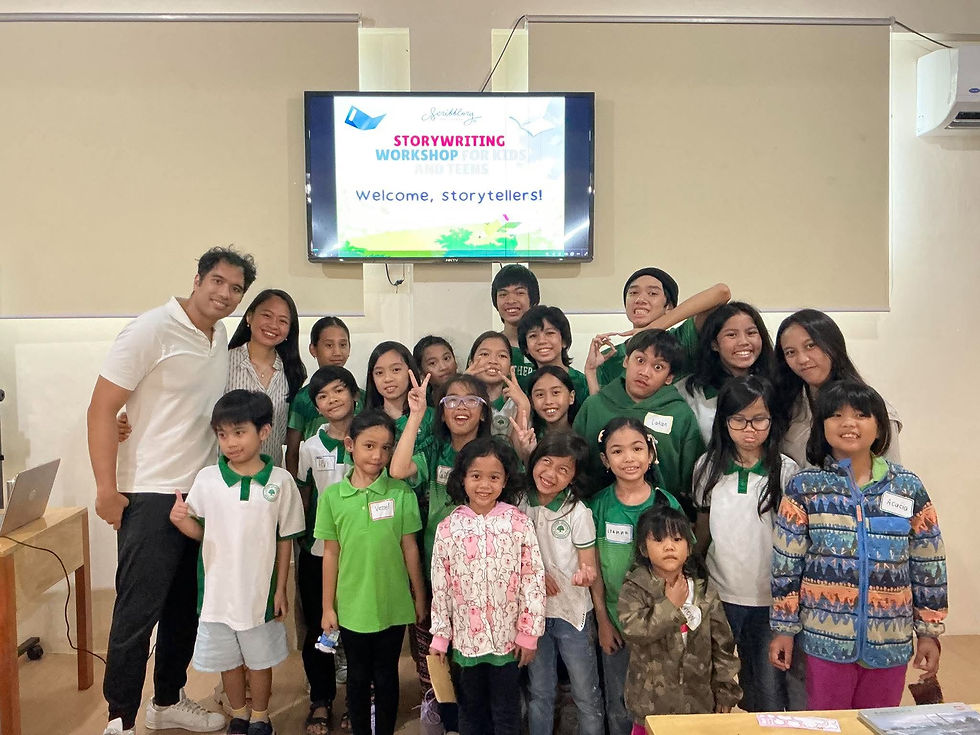
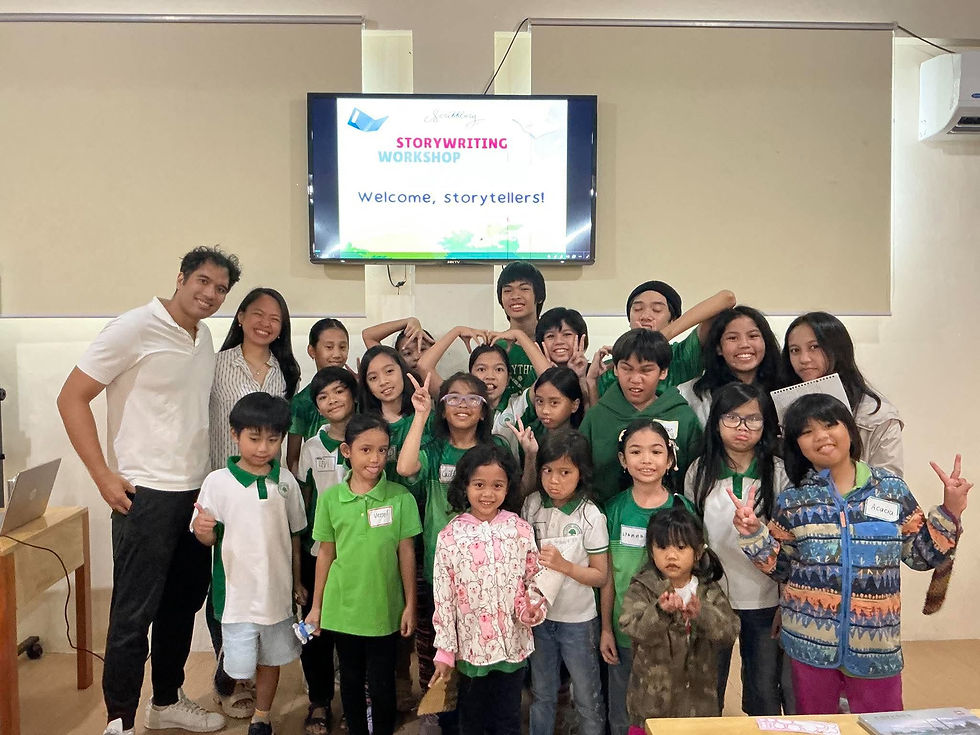
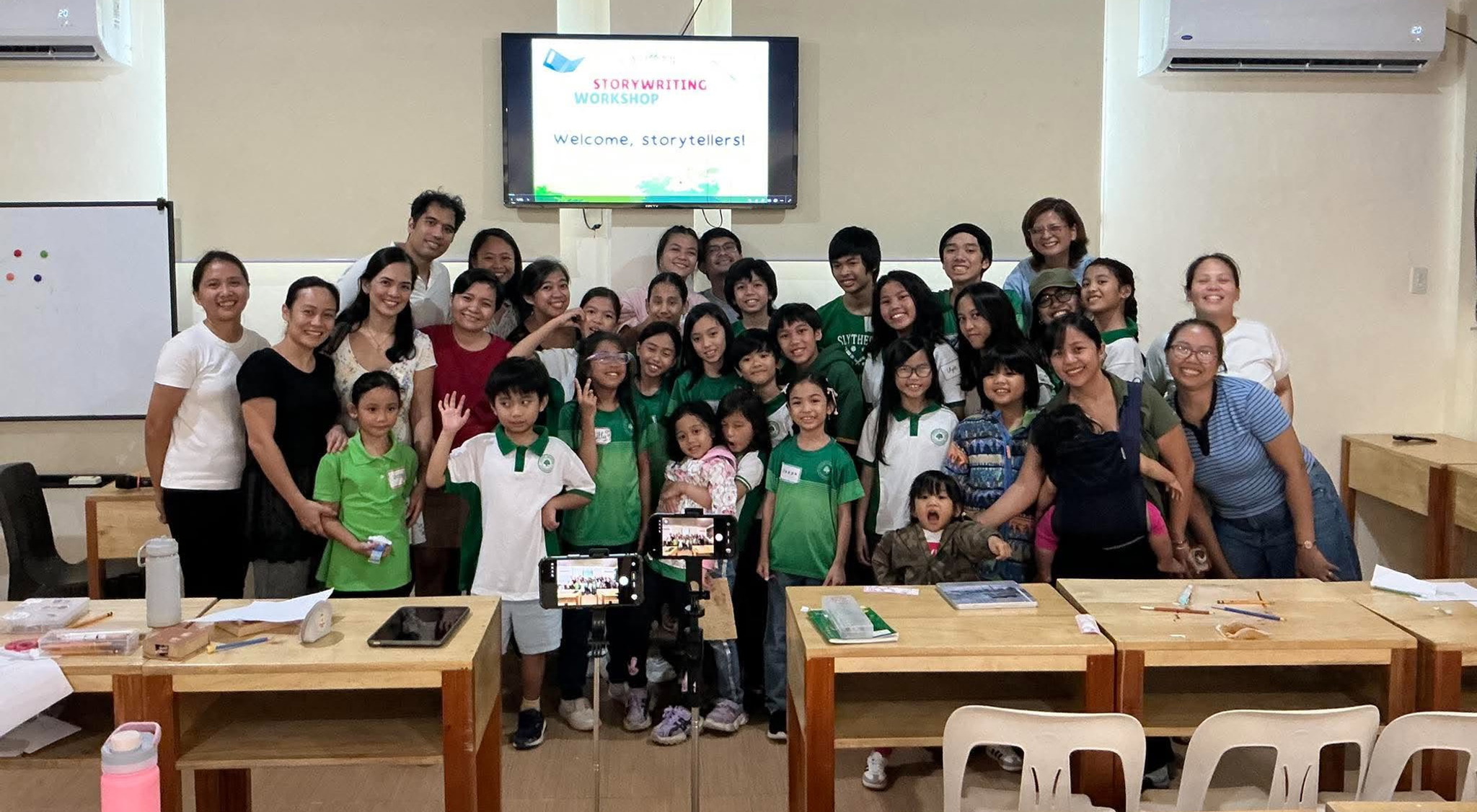
On Thursday, September 24, 2026, Scribblory conducted a storywriting workshop for the Living Learning Homeschool Community at the SVD Laudato Si' Farm, Laudate Deum Center, Tagaytay City, to provide them with a meaningful and productive National Literature Month celebration. The workshop introduced them to fiction story writing, the five basic story elements, and how to use them to build a great narrative. Attending with their parents, 21 young attendees showed eagerness to learn from our speakers.
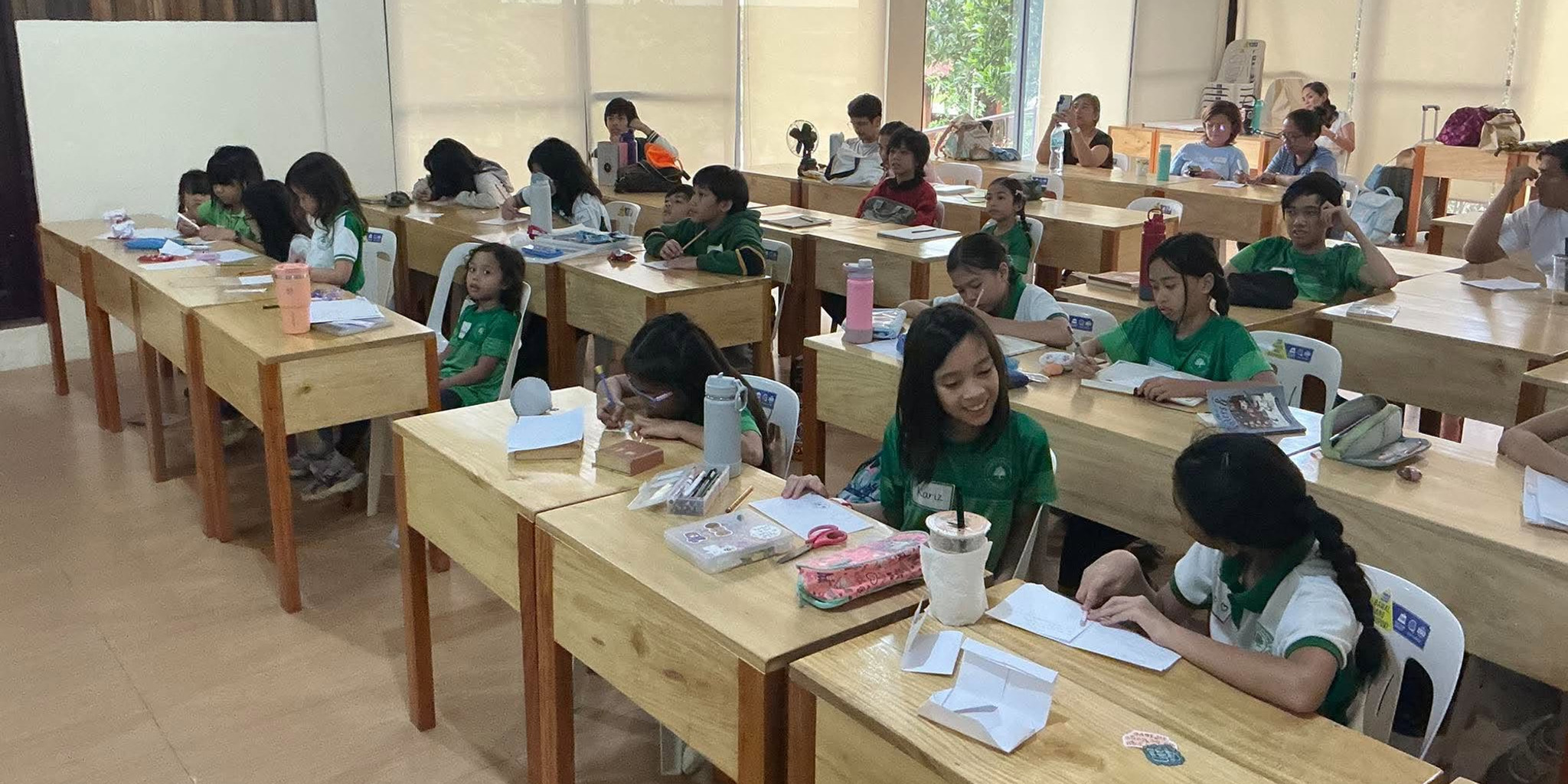
The event started with a simple icebreaker led by Teacher Lark Guillermo "Guilly" Tejano. The students were asked to answer the question: “If you were a fictional character from a story, who would you be?” The students provided different answers: one wanted to be Uncle Iroh from Avatar, while another wanted to become Belle from Beauty and the Beast. As they recalled their favorite story characters, their excitement for the workshop grew.
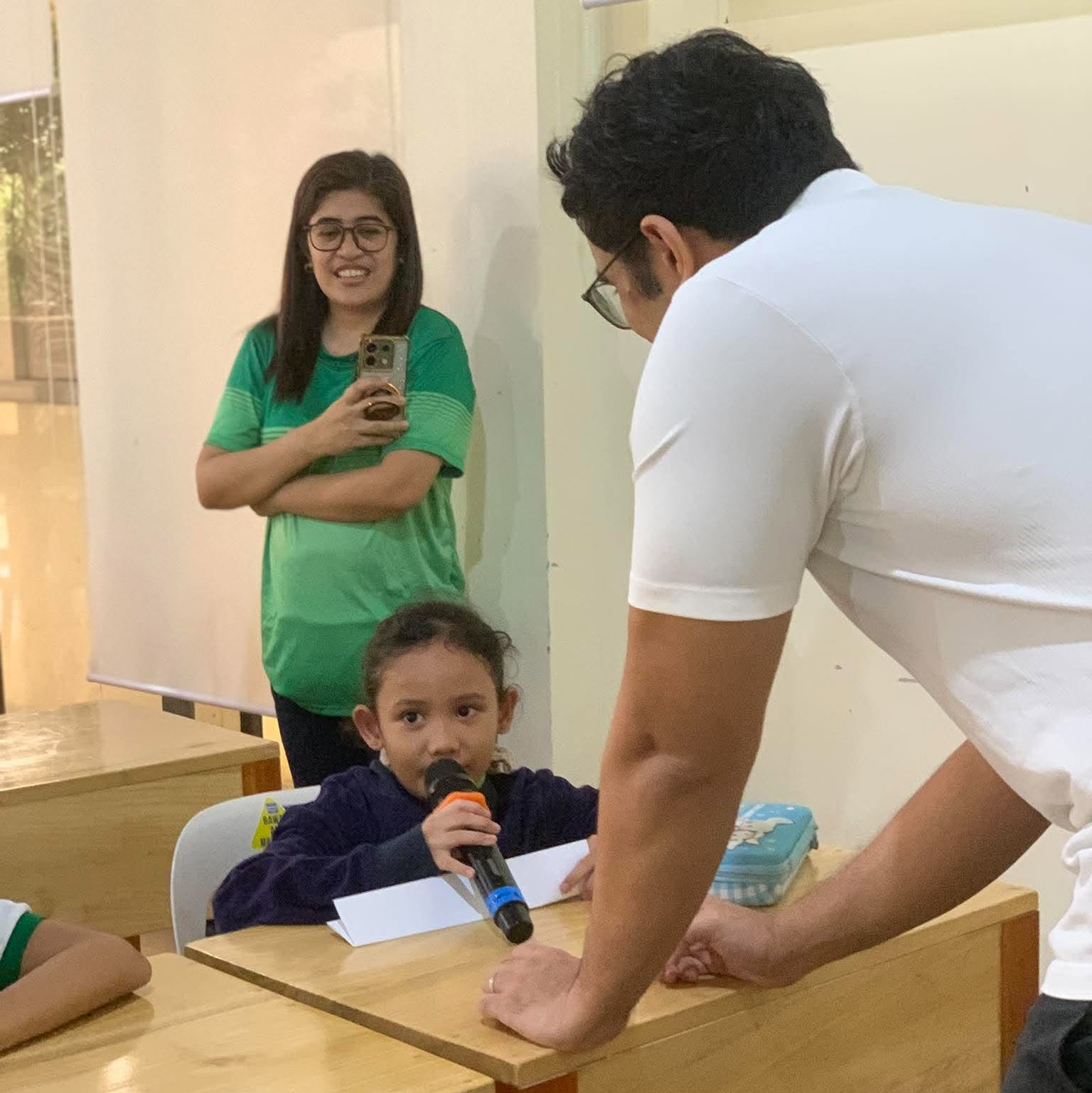
The students were fully engaged as Teacher Guilly introduced them to fiction writing. First, he discussed what a fiction story is, and then conducted a "Story Detective" activity. He asked them to guess the title of the story based on various pictures shown from different storylines in books and movies, such as Finding Nemo, Beauty and the Beast, Harry Potter and the Sorcerer’s Stone, and The Lion King. The students were very enthusiastic and participative, making every effort seem worthwhile as they completed the activities.
Afterwards, Teacher Elaine Marie Factor used the activity to introduce the different elements of a story: Characters, Setting, Conflict, Plot, and Theme. Teacher Elaine discussed the different types of characters, including the Hero, Villain, and Wiseman, explaining the differences between the three and giving various examples for each category.
She then explained the concept of conflict in a story, elaborating on its two different types, Internal and External, and its subcategories: Man vs. Man, Man vs. Himself, Man vs. Nature, Man vs. Supernatural, and Man vs. Technology. To further explain this, Teacher Elaine showed different story plots from various books and movies, asking the students what the conflicts were and what kinds of conflicts the protagonists faced.
Once the students showed their understanding, Teacher Elaine moved on to explain the Setting, which is the story’s place, time, and atmosphere. She provided different examples and engaged the participants by asking questions about the different places where a story can take place.
Teacher Elaine then moved on to the last story element: the Theme. She explained the different themes found in stories using fairy tales as examples, and then asked the students what lessons each story teach its readers.
Synthesizing all these story elements, Teacher Elaine explained the Freytag’s Pyramid, identifying its parts: Exposition, Rising Action, Climax, Falling Action, and Resolution.
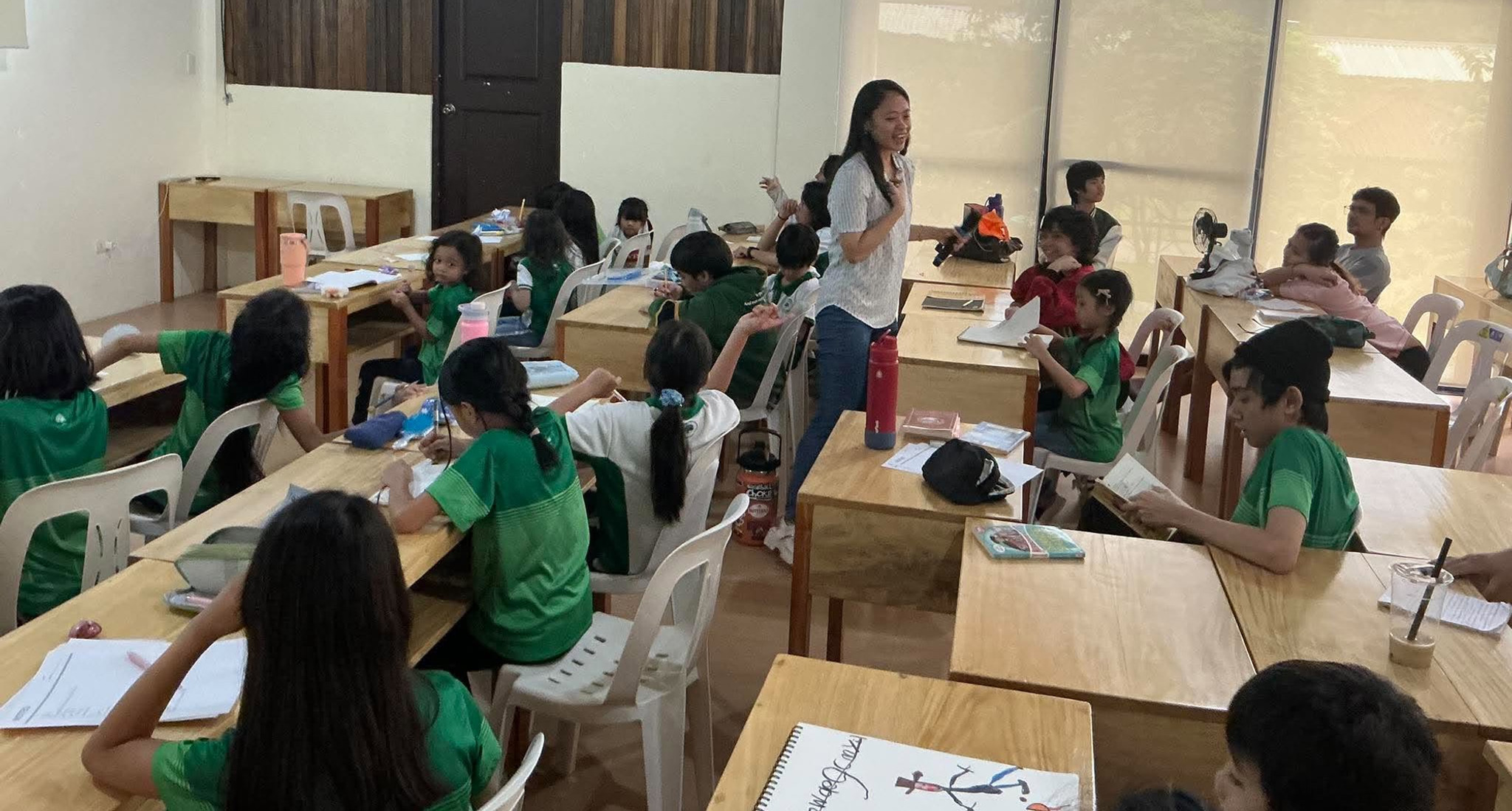
Once Teacher Elaine finished her discussion, Guilly conducted an activity, "Story Pinoy Henyo," to test how much the students had learned. The game followed the same mechanics as Pinoy Henyo, except the topics were about story elements and the concepts discussed during the workshop. The students stayed engaged and found the game challenging, but they persevered and achieved victory.
The workshop’s culminating activity involved the students drawing lots with different story elements. These included different types of people to serve as their characters—a protagonist, an antagonist, and a wise man—as well as different story settings and conflicts. From these, they had to create their own story's theme and plot, reflecting their individual tastes and interests.
Once writing time was over, the students showcased their creativity by reading aloud what they had written. Teacher Guilly and Teacher Elaine were delighted at the sight of several raised hands—almost all of them wanted to share their story!
Finally, the workshop ended with smiles on everyone’s faces. When the participants left, not only the children but also their parents expressed their joy as well as a sense of triumph and fulfillment.
Happy National Literature Month, Living Learning Homeschool Community!
Written by Lark Guillermo Tejano
Edited by Elaine Marie Factor
Are you looking for a writing community for your child?
Join the Young Scribs Club!
Young Scribs Club: Learn Through Writing is Scribblory Creatives Inc.’s writing community for children and young learners aged 7 to 17. It provides a fun, supportive, and structured space, where members can develop their ability to think clearly, organize ideas, read critically, and express themselves through writing.
Unlike a club focused only on creative storytelling, Young Scribs Club exposes children to different forms of writing—from stories and personal reflections to purposeful writing activities and projects that’ll require them to describe, explain, give opinions, and other age-appropriate genres. Members don't just learn how to write. They learn to observe, question, imagine, and communicate—skills they can use in school and in everyday life.


Comments